Disasters strike without warning. Whether it’s a burst pipe flooding your home, an electrical spark causing a fire, or hidden moisture triggering mold growth, the aftermath can feel overwhelming. In these moments, emergency restoration services become essential, not just for repairing the damage but for restoring safety, health, and peace of mind.
Professional restoration teams bring the training, equipment, and expertise needed to respond quickly, prevent further destruction, and rebuild your property safely. From partnering with an emergency restoration contractor to handling inspection, testing, cleanup, and reconstruction, these services provide a complete solution when your home or business is in crisis.
Why Emergency Restoration Services Matter
A disaster, whether caused by nature or by malfunction, creates more than damage; it creates disruption. Flooding ruins belongings and invites mold. Smoke and soot affect air quality for weeks after a fire. Water left behind by firefighting efforts can destroy flooring and walls. Even something as seemingly small as minor smoke damage can create long-lasting issues if not handled correctly. Northwest Restoration understands these challenges and specializes in restoring your property quickly and safely so you can get back to normal.
That’s why a rapid response matters. The longer you wait, the more damage spreads, affecting everything from structural integrity to indoor air quality.
Emergency restoration teams provide:
- 24/7 availability
- Specialized equipment and industry-standard processes
- Safe removal of dangerous debris
- Moisture mapping, testing, and structural drying
- Fire and smoke cleanup
- Mold mitigation and removal
- Rebuilding and renovation
In areas affected by regional needs, such as Fire Damage Kennewick WA, professional services are especially critical due to recurring environmental risks.
Let’s break down how restoration teams handle each type of damage.
1. Water Damage Restoration: Fast Action to Prevent Contamination and Structural Damage
Water damage is one of the most common and urgent restoration needs. It spreads quickly, soaking into drywall, flooring, insulation, and even structural framing. Within 24–48 hours, untreated moisture can lead to mold growth and bacterial contamination.
What Emergency Restoration Teams Do for Water Damage
A. Water Extraction
Industrial-grade pumps immediately remove standing water from the property.
B. Moisture Mapping
Using infrared cameras and meters, technicians identify hidden water behind walls and under flooring.
C. Structural Drying
Commercial-grade air movers and dehumidifiers ensure fast, complete drying.
D. Mold Prevention
Drywall, wood, and carpeting are sanitized to prevent microbial growth.
E. Repairs and Restoration
Teams restore damaged materials as part of residential restoration or commercial rebuilding services.
For homeowners and businesses, fast water mitigation often means the difference between minor repairs and catastrophic structural issues.
2. Fire Damage Restoration: Handling Smoke, Soot, and Structural Cleanup
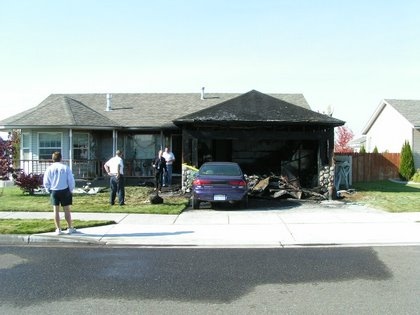
Fire damage is devastating, often affecting every level of a building even when flames are limited to one area. In addition to the flames, smoke, soot, and water from firefighting efforts, the cleanup process is complex.
A. Securing the Property
Board-ups, tarping the roof, and sealing compromised areas prevent weather or theft damage.
B. Damage Assessment
Technicians evaluate structural damage, test air quality, and determine what can be salvaged.
C. Smoke and Soot Removal
Smoke travels through vents, attics, and insulation. Advanced cleaning removes residue from:
- Walls
- Ceilings
- HVAC systems
- Furniture
- Personal belongings
D. Odor Neutralization
Industrial ozone treatments and HEPA air scrubbers eliminate smoke odors.
E. Reconstruction and Repairs
A full-service commercial and residential construction team can rebuild damaged structures, ensuring safety and compliance with modern building codes.
When dealing with fire and water restoration, efficiency matters. Soot is acidic and can corrode metals and stain surfaces if left unremoved.
3. Mold Damage Restoration: Protecting Health and Property
Mold thrives in damp, dark environments created by leaks, floods, and poor ventilation. Left untreated, mold spreads quickly and may cause respiratory issues, structural damage, and ongoing moisture problems.
A. Mold Inspection and Testing
Many restoration companies partner with or operate as an expert asbestos testing company, offering asbestos and mold testing to evaluate safety concerns.
B. Containment Setup
Technicians seal off affected areas using plastic barriers and negative air pressure machines to prevent cross-contamination.
C. Safe Mold Removal
Certified mold experts remove contaminated materials, sanitize surfaces, and use HEPA filtration to capture harmful spores.
D. Moisture Source Repair
Identifying and repairing water sources prevents mold from returning.
E. Restoration of Affected Areas
Teams repair drywall, flooring, and insulation impacted by mold or moisture.
4. The Role of Emergency Restoration Contractors
Hiring a professional emergency restoration contractor ensures access to:
- Licensed and insured technicians
- Industry-standard testing equipment
- Compliance with safety regulations
- Coordinated demolition, cleanup, and reconstruction
- Insurance documentation and claim support
A skilled contractor also manages communication with insurance adjusters, streamlining the process for the property owner.
5. Full-Service Construction and Remodeling After Restoration
When damage is extensive, cleanup is only the first step. Many restoration companies also offer:
- residential & commercial construction
- Structural repairs
- Flooring replacement
- Drywall installation
- Painting and finishing
- Roofing repairs
- Kitchen and bath rebuilds
This ensures a seamless transition from emergency response to complete rebuilding.
For businesses, fast reconstruction means reduced downtime. For homeowners, it restores comfort and normalcy sooner.
6. How Restoration Teams Coordinate Cleanup and Rebuilding
A well-executed restoration plan follows a structured process:
A. Emergency Response
Team arrives immediately to stop the ongoing damage.
B. Inspection and Testing
Assessment includes moisture readings, material testing, and safety checks such as asbestos testing when required.
C. Cleanup and Removal
Water extraction, debris removal, soot cleanup, and sanitation are completed efficiently.
D. Drying and Decontamination
Specialized equipment ensures thorough moisture removal and air purification.
E. Reconstruction and Repairs
Construction teams restore property based on pre-disaster conditions or owner’s preferred upgrades.
F. Final Inspection
Every area is inspected to ensure safety, cleanliness, and structural integrity.
7. Choosing the Right Restoration Partner
The best restoration companies share key traits:
- 24/7 availability
- Licensed, insured contractors
- Local experience (such as handling Fire Damage Kennewick WA cases)
- Comprehensive cleanup + construction capabilities
- Advanced testing and safety compliance
- Clear communication and transparency
- Insurance claim assistance
A trusted restoration company becomes a long-term partner in property protection. Ready to restore your home or business after water, fire, or mold damage? Contact us today to connect with our emergency restoration contractor and get fast, reliable support.
Conclusion
Disasters can be unpredictable, but your recovery doesn’t have to be. Emergency restoration services provide the expertise, resources, and immediate response needed to protect your property and health. From water and fire damage to mold removal and reconstruction, a professional team ensures a safe, complete, and stress-free restoration.
By partnering with a qualified emergency restoration contractor, you gain peace of mind knowing that every step, from testing to cleanup to rebuilding, is handled with precision, safety, and care.
Frequently Asked Questions
1. How quickly should I call for emergency restoration services after damage occurs?
Immediately. The faster the response, the less damage spreads, especially in cases involving water or mold.
2. Do restoration companies work with insurance providers?
Yes. Most restoration contractors help document damage, communicate with adjusters, and handle claim-related paperwork.
3. What is included in fire damage restoration?
It includes debris removal, soot and smoke cleanup, odor removal, water extraction, and reconstruction services.
4. How long does mold remediation take?
Typically 3–7 days, depending on the severity and the size of affected areas.
5. Do restoration companies also rebuild damaged structures?
Many provide full commercial and residential construction and remodeling services to return your property to pre-damage condition.