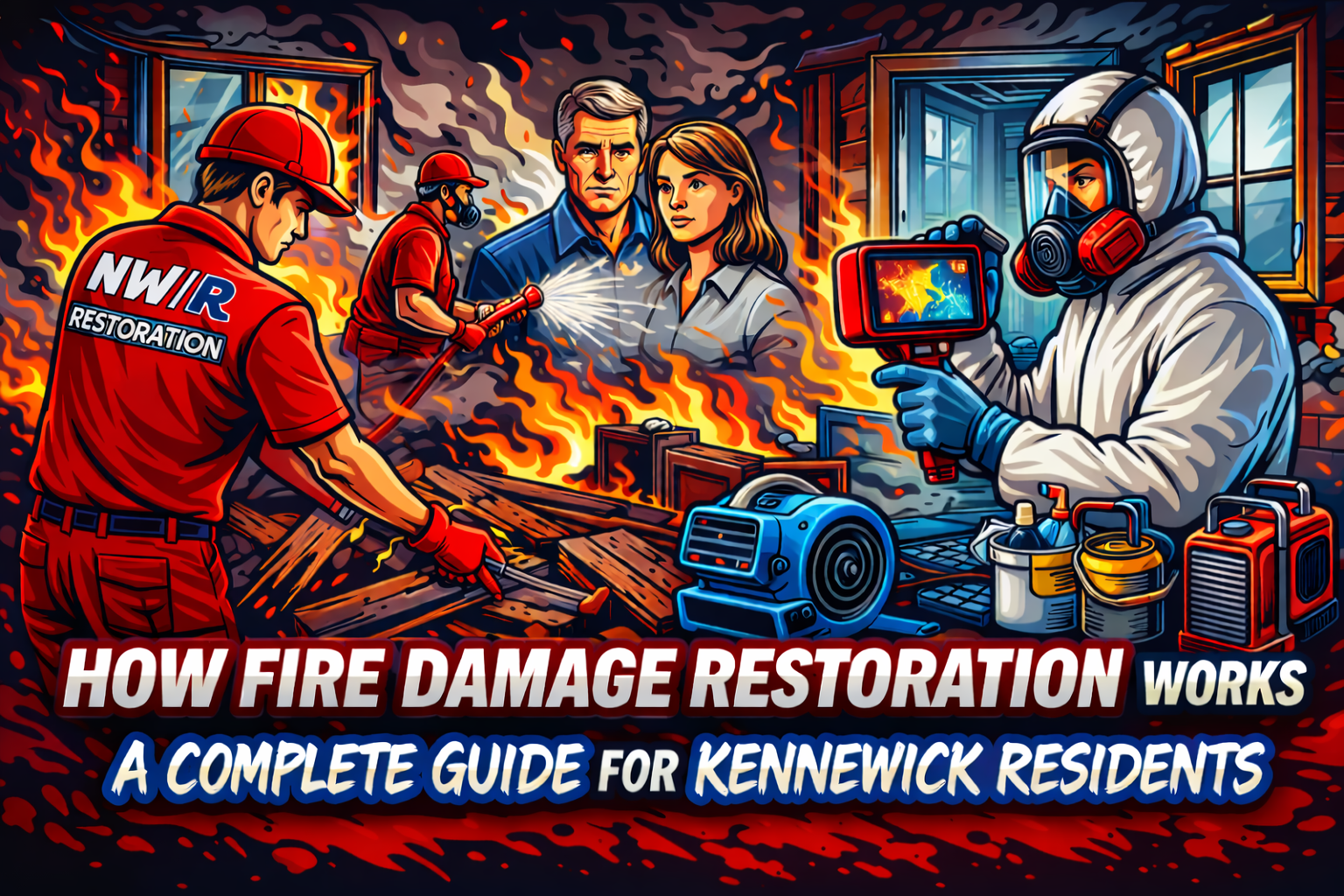
A fire can change your life in an instant. Beyond the immediate threat to safety, the aftermath often leaves behind widespread destruction, smoke damage, water damage, and even hidden hazards like asbestos or mold. For homeowners and business owners in Kennewick, WA, understanding how fire and water restoration works is essential. Proper restoration ensures that your property is returned to a safe, functional, and aesthetically pleasing state, often preventing long-term damage or costly repairs.
This guide will take you step by step through the fire damage restoration process, explain the services professionals provide, and highlight what Kennewick residents should know when dealing with the aftermath of a fire.
Understanding Fire Damage
Fires are unpredictable, and their impact can extend far beyond the areas directly touched by flames. Fire Damage Kennewick WA properties may include not only charred walls and ceilings but also hidden structural weaknesses, smoke contamination, and water damage from firefighting efforts. Even a small kitchen fire can compromise the safety of your entire home if not addressed properly.
Typical fire damage includes:
- Structural Damage: Flames weaken wood, drywall, and metal supports, potentially causing long-term stability issues.
- Smoke and Soot Contamination: Smoke particles can travel through walls, HVAC systems, and furniture, leaving odors and stains.
- Water Damage: Fire suppression often leaves homes soaked, creating conditions for mold growth.
- Hazardous Materials: Older homes may contain asbestos in insulation, flooring, or drywall. When disturbed, these materials become dangerous.
- Lingering Odors and Air Quality Concerns: Even after visible damage is repaired, smoke odors can persist if not properly treated.
Recognizing the extent of fire damage is the first step toward recovery. Many homeowners underestimate the secondary damage that occurs after a fire, particularly from water and smoke, which is why professional help is crucial.
Why Fire and Water Restoration Go Hand in Hand
After a fire, water damage is often unavoidable. Firefighters use large amounts of water to extinguish flames, which can saturate floors, walls, and ceilings. Without immediate mitigation, this water can:
- Warp or weaken wooden structures
- Promote mold growth
- Compromise electrical and plumbing systems
- Increase the cost and complexity of restoration
This is why fire and water restoration is typically performed together. Restoration professionals address both fire-related damage and water damage simultaneously to ensure the property is fully restored and safe.
For Kennewick residents, combining fire and water restoration services with expert inspection and reconstruction ensures that your home or business is not only clean but also structurally sound.
Step-by-Step Fire Damage Restoration Process
Professional fire damage restoration follows a structured process to ensure safety, efficiency, and quality. Each step is critical for a successful recovery.
1. Emergency Response and Property Assessment
The first priority after a fire is safety. Emergency restoration services provide 24/7 response to secure your property and prevent further damage. This initial step includes:
- Securing the property: Boarding up doors, windows, or damaged roof sections
- Safety assessment: Identifying electrical hazards, unstable walls, or contaminated materials
- Damage documentation: Photographs and reports for insurance claims
- Restoration plan creation: Outlining all necessary steps for cleanup and reconstruction
A licensed emergency restoration contractor ensures that the property is safe for restoration teams and residents. Immediate action reduces the risk of additional damage and speeds up recovery.
2. Safety Testing and Hazard Evaluation
Fire can release harmful substances that may not be visible. Older homes, in particular, may contain asbestos, lead, or other hazardous materials. Professional teams often collaborate with an asbestos testing company to evaluate the property.
Asbestos testing and asbestos and mold testing involve:
- Collecting samples from insulation, flooring, and drywall
- Analyzing air and surface contamination
- Determining safe removal methods if hazardous materials are detected
Testing ensures that restoration and reconstruction are conducted safely and comply with federal and state safety standards.
3. Water Removal and Structural Drying
Water left behind after firefighting can exacerbate the damage if not properly addressed. Restoration specialists use industrial-grade equipment for:
- Water extraction: Removing standing water with pumps and vacuums
- Dehumidification: Drying walls, floors, and ceilings to prevent mold
- Air circulation: Using air movers to speed drying and reduce odors
Proper water removal preserves materials and prevents long-term problems such as rot or structural failure. Skipping this step often leads to costly repairs later.
4. Smoke, Soot, and Odor Removal
Smoke and soot are incredibly invasive, capable of penetrating fabrics, walls, and ventilation systems. Specialists use advanced techniques to remove contaminants:
- HEPA filtration: Captures fine particles from the air
- Thermal fogging or ozone treatments: Neutralizes smoke odors
- Surface cleaning: Removes soot from walls, furniture, and appliances
Addressing smoke and soot early improves indoor air quality and restores a safe environment for residents and employees.
5. Cleaning and Salvaging Personal Belongings
Not all items affected by fire are beyond repair. Restoration teams can clean and restore:
- Furniture, upholstery, and wood items
- Electronics and appliances
- Clothing and linens
- Important documents and photographs
Professional cleaning ensures that valuable or sentimental items are recovered whenever possible, reducing emotional and financial loss.
6. Structural Repairs and Reconstruction
Once cleaning is complete, the restoration team begins rebuilding. Fire damage restoration often involves aspects of commercial and residential construction, particularly when structural repairs are extensive.
Tasks may include:
- Replacing damaged framing, drywall, and roofing
- Electrical and plumbing repairs
- Installing flooring, cabinetry, and fixtures
- Ensuring compliance with building codes
Many Kennewick residents also take this opportunity to update their homes or businesses during reconstruction.
7. Remodeling and Renovation After Fire Damage
Post-fire restoration is a practical time to implement improvements. Restoration teams often provide residential commercial remodeling services and residential commercial renovation services, helping property owners:
- Upgrade kitchens or bathrooms
- Modernize office layouts
- Improve energy efficiency
- Enhance safety with fire-resistant materials
Integrating remodeling during restoration can save time and costs, giving the property a fresh, updated look.
Fire Damage Restoration for Homes vs. Businesses
Restoration strategies vary depending on whether the property is residential or commercial.
Residential Fire Restoration
Homes require careful attention to personal belongings, emotional impact, and indoor air quality. Restoration professionals work to restore comfort and safety while preserving cherished items whenever possible.
Commercial Fire Restoration
Businesses need fast, efficient recovery to minimize downtime. Restoration teams experienced in commercial and residential construction understand regulatory requirements and work to reopen operations as quickly as possible.
How Long Does Fire Damage Restoration Take?
The timeline for restoration depends on:
- Severity of fire and smoke damage
- Size and age of the building
- Presence of hazardous materials like asbestos
- Scope of reconstruction or remodeling
Minor fires may be resolved within weeks, while large-scale reconstruction can take several months. Clear communication with your restoration contractor ensures realistic timelines and expectations.
Insurance and Fire Damage Restoration
Most homeowner and commercial insurance policies cover fire damage, but navigating claims can be stressful. Restoration companies assist by:
- Documenting damage for insurance purposes
- Preparing detailed repair estimates
- Coordinating directly with insurance adjusters
Working with a trusted restoration team ensures nothing is overlooked and accelerates the claim process.
Choosing the Right Fire Restoration Company in Kennewick
Selecting the right restoration provider is crucial for effective recovery. Look for:
- Local experience with Fire Damage Kennewick WA properties
- Licensed and insured professionals
- 24/7 emergency response
- Transparent communication and clear pricing
- Ability to handle both residential & commercial construction needs
A reputable company guides you through the entire process, from emergency response to final reconstruction, giving you peace of mind.
Preventing Future Fire Damage
While not all fires are preventable, risk reduction can make a significant difference. Consider:
- Installing and maintaining smoke detectors
- Keeping electrical systems up to date
- Using fire-resistant construction materials
- Creating and practicing an emergency evacuation plan
Being proactive reduces both risk and potential damage.
Don’t navigate fire damage alone, schedule a professional inspection today and start restoring your property safely.
Final Thoughts
Fire damage restoration is a complex process involving multiple steps, from emergency response to reconstruction. Combining fire and water restoration ensures that properties in Kennewick are safe, functional, and aesthetically restored. Professionals not only clean and rebuild but also protect residents from long-term health hazards, salvaging valuable belongings wherever possible.
Understanding the process empowers property owners to act quickly, select the right experts, and achieve a smooth, successful recovery. With professional guidance, what begins as a disaster can become an opportunity to restore, remodel, and improve your home or business.
Frequently Asked Questions (FAQs)
1. What should I do immediately after a fire?
Ensure everyone is safe, then call emergency restoration professionals to secure and assess your property. Avoid entering unsafe areas.
2. Can smoke damage be fully removed?
Yes, specialized techniques like HEPA filtration, thermal fogging, and deep cleaning can remove smoke and soot from surfaces and air.
3. Is fire damage restoration covered by insurance?
Most policies provide coverage, but details vary. Work closely with your insurance provider and restoration contractor for proper documentation.
4. How do I know if asbestos testing is necessary?
Homes built before the 1980s or containing older insulation or flooring may require asbestos testing before reconstruction.
5. Can I remodel my property during restoration?
Yes. Many owners choose to upgrade or renovate during restoration, taking advantage of the repair process to enhance safety, aesthetics, or efficiency.


