
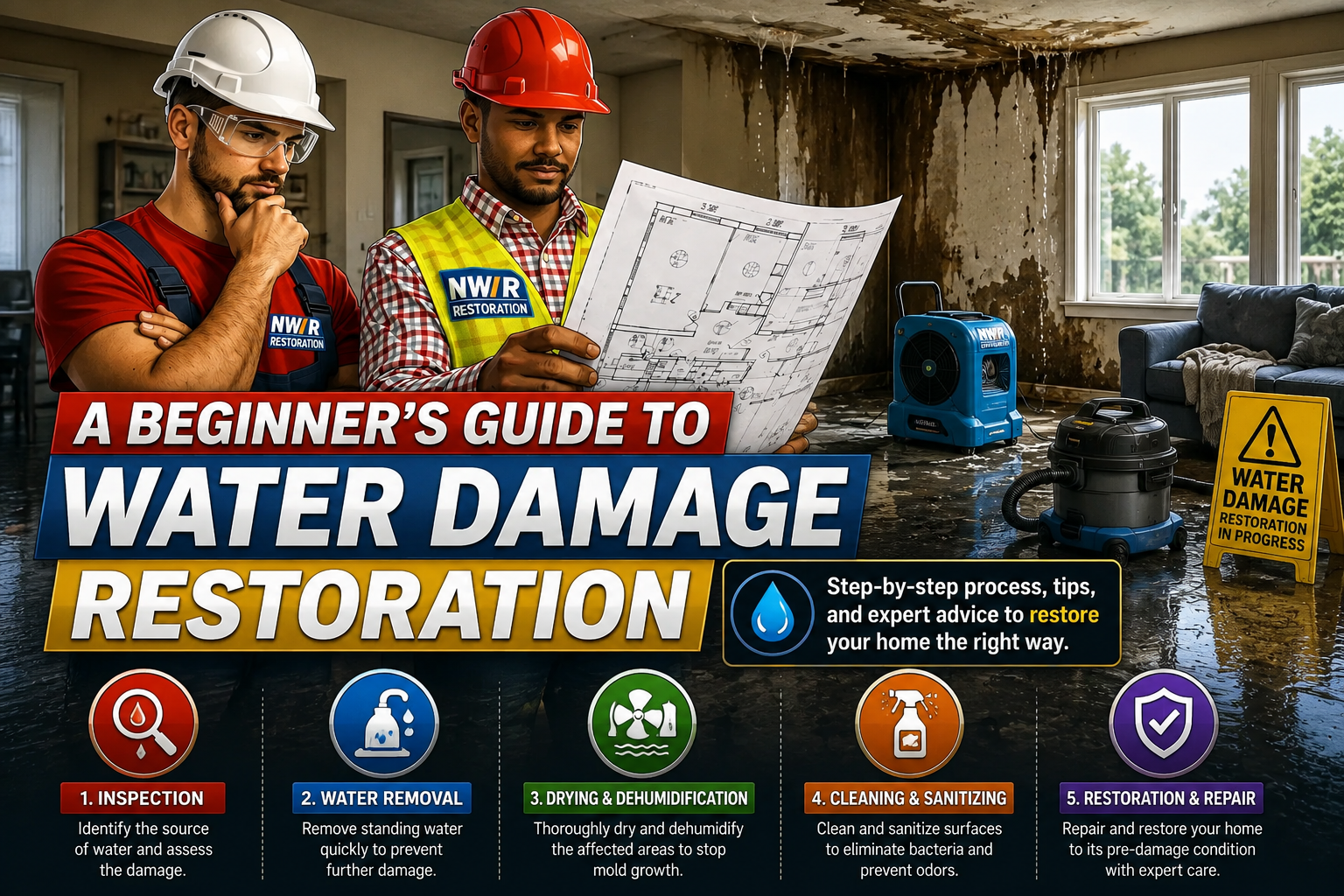
Water damage is one of the most common and costly problems property owners face. Whether caused by a burst pipe, severe storm, leaking roof, appliance malfunction, or flooding event, water can quickly spread throughout a home or business and cause significant damage in a matter of hours. What may initially seem like a minor issue can rapidly escalate into structural deterioration, mold growth, damaged belongings, and expensive repairs if not addressed properly.
For many property owners, experiencing water damage can feel overwhelming. Questions about what to do first, how serious the damage is, and whether professional help is necessary often arise immediately. Understanding the basics of water damage restoration can help you respond quickly, minimize losses, and make informed decisions during a stressful situation.
This beginner’s guide explains how water damage occurs, why fast action matters, what the restoration process involves, and how professional restoration services help return properties to a safe and healthy condition.
Understanding Water Damage
Water damage occurs when unwanted water enters a structure and affects building materials, furnishings, or personal belongings. Depending on the source and duration of exposure, the consequences can range from minor cosmetic issues to severe structural damage.
Water can enter a property in numerous ways. Common causes include plumbing failures, overflowing sinks, malfunctioning water heaters, roof leaks, foundation cracks, storm runoff, and natural flooding. Even a small leak hidden behind a wall can create significant problems over time if it goes undetected.
One of the biggest challenges with water damage is that moisture often spreads beyond what is visible. Water can travel through drywall, insulation, flooring, and framing materials, creating hidden damage that may not become apparent until weeks or months later.
Because of this, professional restoration companies use specialized equipment to identify moisture in areas that cannot be seen with the naked eye.
The Water Damage Restoration Process
Many people assume restoration simply involves drying visible water. In reality, professional restoration follows a structured process designed to fully remove moisture, prevent secondary damage, and restore the property safely.
Initial Inspection and Damage Assessment
The first step involves a thorough inspection of the affected area. Restoration professionals evaluate the source of water, determine the extent of damage, and identify materials that may require specialized treatment.
Advanced moisture detection tools help locate hidden water pockets and ensure no affected areas are overlooked. A detailed restoration plan is then developed based on the findings.
Water Extraction
Removing standing water is the highest priority after assessment. Professional-grade extraction equipment allows technicians to quickly remove large volumes of water from floors, carpets, crawl spaces, and other affected areas.
Fast extraction helps reduce structural damage and accelerates the drying process.
Drying and Dehumidification
Even after visible water is removed, significant moisture often remains trapped within building materials. Industrial air movers and dehumidifiers are strategically placed throughout the property to remove residual moisture. Technicians continuously monitor moisture levels to ensure drying goals are achieved.
This stage is critical because hidden moisture can contribute to mold growth and long-term structural deterioration.
Cleaning and Sanitization
Water damage can introduce contaminants, odors, and bacteria into the environment.
Cleaning and sanitization procedures help restore a healthy indoor environment while protecting occupants from potential health hazards.
Depending on the situation, restoration professionals may clean:
- Flooring materials
- Furniture
- Personal belongings
- Structural surfaces
- HVAC systems
Proper cleaning also helps eliminate lingering odors caused by moisture exposure.
Restoration and Repairs
Once drying is complete, restoration work begins.
Depending on the severity of damage, restoration may involve minor repairs such as replacing drywall sections or repainting affected areas. More extensive projects may require reconstruction of damaged rooms, flooring replacement, or structural repairs.
The goal is to return the property to its pre-loss condition while ensuring safety and long-term durability.
Why Professional Water Damage Restoration Is Important
Many property owners initially consider handling water damage cleanup themselves. While minor spills can often be addressed without professional assistance, larger water losses require specialized knowledge and equipment.
Professional restoration companies provide several important advantages.
First, they can accurately identify the full extent of moisture intrusion. Hidden water often remains undetected without specialized tools, increasing the risk of future damage.
Second, professional drying equipment is significantly more effective than standard household fans or dehumidifiers.
Third, restoration professionals understand how to safely manage contaminated water and prevent health hazards.
Working with an experienced emergency restoration contractor can help reduce damage, shorten recovery times, and improve restoration outcomes.
Water Damage and Mold Growth
One of the biggest concerns following water damage is mold development.
Mold thrives in damp environments and can begin growing within a relatively short period after water exposure. Once established, mold spreads quickly and can affect walls, insulation, ceilings, flooring, and personal belongings.
Professional drying procedures are designed to eliminate moisture before mold can develop. If mold is already present, specialized remediation services may be necessary.
Addressing moisture problems promptly is one of the most effective ways to prevent costly mold-related issues.
Additional Services Often Needed After Water Damage
Severe water damage events may reveal or create additional concerns that require professional attention.
For example, older buildings undergoing restoration may require asbestos testing before demolition or reconstruction work begins. Hiring an experienced asbestos testing company helps ensure materials are evaluated safely and that regulatory requirements are followed.
In more extensive cases, damaged areas may require rebuilding through residential & commercial construction services. Structural repairs, drywall replacement, flooring installation, and reconstruction work are often necessary after significant water losses.
Choosing the Right Restoration Company
Selecting the right restoration provider can have a major impact on the success of your recovery process.
Look for a company that offers:
- Rapid emergency response
- Advanced drying and moisture detection equipment
- Experienced restoration technicians
- Comprehensive restoration services
- Assistance with insurance claims
- Strong customer reviews and reputation
Property owners seeking assistance with Water Damage Kennewick WA should prioritize companies that understand local conditions and have experience handling a wide range of restoration scenarios.
A qualified restoration team can guide you through the recovery process while minimizing stress and uncertainty.
Preventing Future Water Damage
While not every water damage event can be avoided, proactive maintenance can significantly reduce risk.
Regularly inspecting plumbing systems, maintaining gutters, monitoring appliances, and addressing leaks promptly can help prevent many common causes of water intrusion.
Property owners should also understand where shut-off valves are located and develop an emergency response plan in case water-related issues occur.
Taking preventative measures today can save substantial time, money, and frustration in the future.
Need help after a water emergency? Contact a professional restoration team to assess the damage, begin drying immediately, and protect your property from further complications.
Conclusion
Water damage can happen unexpectedly, but understanding the restoration process can help property owners respond quickly and effectively. From water extraction and drying to repairs and reconstruction, professional restoration services play a critical role in protecting properties and minimizing long-term damage.
Whether dealing with a minor leak or a major flooding event, professional water damage restoration provides the expertise, equipment, and support needed to restore a property and return it to normal as quickly as possible.
Frequently Asked Questions
1. What is water damage restoration?
Water damage restoration is the process of removing water, drying affected areas, cleaning contaminated surfaces, and repairing damaged materials to restore a property after water intrusion.
2. How quickly should water damage be addressed?
Water damage should be addressed immediately. Delays can increase structural damage and create conditions that allow mold growth to develop.
3. Can I clean up water damage myself?
Small spills may be manageable, but significant water damage often requires professional equipment and expertise to ensure hidden moisture is removed properly.
4. Does water damage always cause mold?
Not always, but mold can begin growing within 24 to 48 hours if moisture is not removed quickly and thoroughly.
5. What should I look for in a restoration company?
Choose a restoration company with emergency response capabilities, advanced equipment, experienced technicians, strong reviews, and comprehensive restoration services.


