
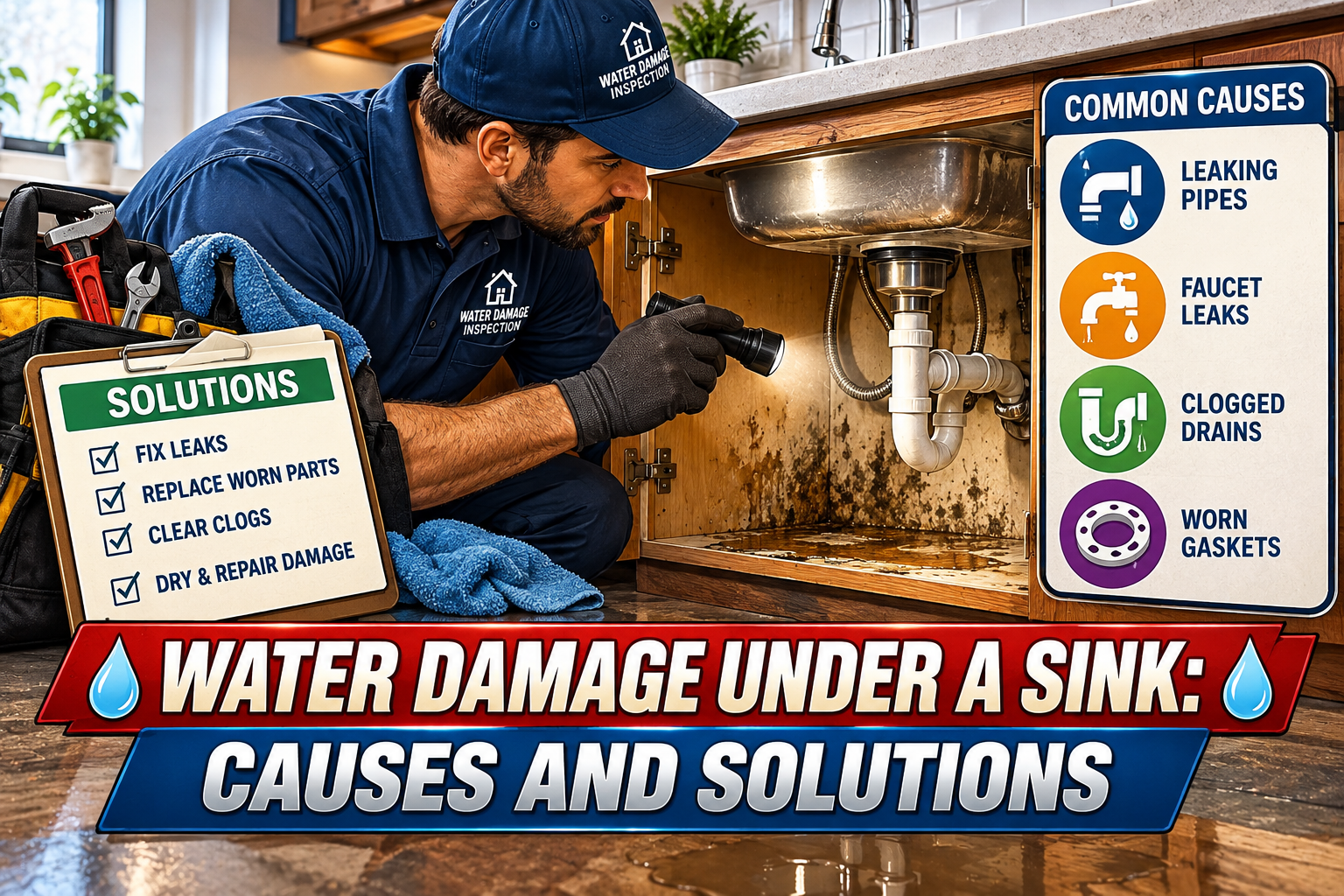
Water damage under a kitchen or bathroom sink can start as a small inconvenience and quickly become a major property problem. A slow drip from a supply line, a damaged drainpipe, or a failed seal may allow moisture to collect inside the cabinet and spread into flooring, drywall, insulation, and surrounding structures. Because these areas are often enclosed and difficult to inspect, damage can continue unnoticed for days or even weeks.
For property owners searching for Water Damage in Kennewick, understanding the common causes and knowing how to respond quickly can help limit repair costs and prevent secondary problems such as mold growth, structural deterioration, and unpleasant odors.
Common Reason of Water Damage Under a Sink
Several plumbing and maintenance issues can cause water to accumulate beneath a sink. Identifying the source is the first step toward an effective solution.
1. Leaking Supply Lines
Flexible supply lines connect the sink faucet to the home’s water supply. Over time, these lines can become cracked, loose, corroded, or worn out. A damaged connection may produce a slow leak, while a failed line can release a significant amount of water in a short period.
Check the connections around the faucet and shut-off valves for moisture, mineral deposits, or visible corrosion. Even a small amount of recurring moisture should be investigated.
2. Damaged Drainpipes
Drainpipes underneath sinks carry wastewater away from the basin. Loose fittings, damaged pipes, deteriorated washers, and improperly sealed connections can allow water to escape whenever the sink is used.
Drain leaks may be especially difficult to notice because the area can remain dry when the sink is not in use. If water appears underneath the cabinet after washing dishes, brushing teeth, or running the faucet, inspect the drain assembly.
3. Failed Sink or Faucet Seals
The seal around a sink drain or faucet can deteriorate over time. When this happens, water may seep through openings and collect beneath the countertop or inside the cabinet.
These leaks are sometimes mistaken for plumbing leaks because the visible water appears below the sink. Checking the area around the faucet base, drain flange, and countertop is important when locating the source.
4. Clogged Drains
A clogged drain can increase pressure within the plumbing system and cause water to back up. If connections or seals are already weak, the additional pressure can contribute to leaks.
Regular drain maintenance can reduce the likelihood of backups. Avoid relying excessively on harsh chemical drain cleaners, as some products may damage plumbing components when used incorrectly.
5. Dishwasher Connections
In kitchens, the dishwasher drain hose and water supply connection may pass through the sink cabinet. A loose hose, cracked fitting, or failed connection can release water into the cabinet.
Because the dishwasher may only operate once or twice a day, this type of leak can remain hidden for some time. Inspect the connections whenever unexplained moisture appears beneath a kitchen sink.
Need professional assistance with water damage or restoration? Reach out to our team for an assessment and discuss the appropriate next steps for your property. Our Contact page can help you connect with the right professionals for restoration, repair, and reconstruction services.
Why Water Under a Sink Should Not Be Ignored
A small puddle may not appear serious, but repeated exposure to moisture can affect multiple materials. Wood cabinets can swell or weaken, flooring can become discolored or warped, and drywall may absorb moisture from adjacent areas.
Persistent moisture can also create conditions favorable to microbial growth. If porous materials remain wet for an extended period, they may develop odors and require more extensive restoration.
Water can also travel beyond the area where the leak began. It may move underneath flooring, behind cabinets, or into wall cavities. This is why simply wiping up visible water does not always solve the underlying problem.
What to Do When You Discover Water Damage
Taking prompt action can help reduce the extent of damage.
Turn Off the Water
If the leak is coming from a supply line or plumbing connection, turn off the appropriate shut-off valve. If you cannot identify the source or the leak is substantial, shutting off the home’s main water supply may be necessary.
Remove Standing Water
Use towels, a mop, or a wet/dry vacuum to remove accessible standing water. Avoid using electrical appliances in areas where water may have reached outlets, wiring, or electrical equipment.
Remove Wet Items
Take cleaning products, stored supplies, towels, and other belongings out of the affected cabinet. Separating wet items can improve airflow and prevent additional materials from becoming saturated.
Identify the Source
Look for dripping connections, wet pipes, damaged seals, or moisture around the sink basin. If the source cannot be identified safely, a qualified plumber or restoration professional can help determine where the water is coming from.
Increase Ventilation
Open cabinet doors and improve airflow when it is safe to do so. Fans and dehumidifiers may assist with drying, but professional equipment may be required when moisture has entered hidden spaces.
Professional Water Damage Restoration
When water has affected more than the immediate area beneath the sink, professional restoration may be appropriate. Restoration specialists can assess moisture levels, identify affected materials, extract standing water, and establish a drying plan.
Professional drying is particularly important when water has entered porous building materials. Simply allowing a cabinet or floor to air-dry may not remove moisture trapped beneath surfaces.
A qualified emergency restoration contractor can also help property owners respond to unexpected water-related incidents outside normal business hours. Fast response can be particularly valuable when a major plumbing failure has affected multiple rooms.
Restoration may involve several steps, including:
- Water extraction and removal
- Moisture inspection
- Structural drying
- Dehumidification
- Cleaning and sanitizing
- Removal of severely damaged materials
- Odor control
- Repairs and reconstruction
The appropriate approach depends on the source, volume, duration, and extent of the water exposure.
When Cabinets or Flooring Need Replacement
Not every water-damaged material needs to be replaced. Some materials can be thoroughly dried and restored if the damage is limited.
However, swollen particleboard, severely deteriorated cabinetry, delaminated flooring, or structurally compromised materials may require removal and replacement.
The longer materials remain wet, the greater the likelihood that restoration will become more complicated. A professional evaluation can help determine which materials can be saved and which should be replaced.
In larger projects, restoration may transition into rebuilding or remodeling. Companies offering residential & commercial construction may be able to coordinate reconstruction after the affected area has been properly dried and assessed.
Preventing Future Water Damage Under a Sink
Prevention is often easier and less expensive than repairing extensive water damage. Property owners can take several simple steps to reduce the risk of future leaks.
Inspect Plumbing Connections Regularly
Check supply lines, drainpipes, shut-off valves, and fittings periodically. Look for corrosion, moisture, mineral buildup, or damaged components.
Keep the Cabinet Dry
Avoid storing items directly against plumbing connections. Leaving some open space makes it easier to spot leaks early.
Replace Aging Components
Old hoses, seals, washers, and connectors can eventually fail. Replacing worn components before they break can help prevent unexpected water releases.
Avoid Overloading the Cabinet
Heavy objects can accidentally put pressure on plumbing connections or interfere with pipes. Store items carefully and leave sufficient space around plumbing.
Check After Using the Sink
Occasionally inspect underneath the sink after running water or using the dishwasher. Early detection of a small leak can prevent extensive damage.
Water Damage and Other Property Restoration Needs
Water-related problems sometimes occur alongside other property issues. For example, a building may require restoration after a plumbing incident, appliance failure, storm event, or another emergency.
Some properties may also experience fire-related damage requiring a separate restoration process. Property owners researching Fire Damage Kennewick WA should understand that fire restoration can involve smoke and soot removal, odor treatment, structural cleaning, and reconstruction in addition to addressing direct fire damage.
In older buildings, restoration or remodeling projects can also require additional consideration of existing building materials. If suspect materials are present, appropriate asbestos testing may be necessary before renovation, demolition, or material removal.
An experienced asbestos testing company can evaluate suspected materials and provide appropriate testing services when required. Testing should be handled by qualified professionals, particularly when older construction materials may be disturbed during restoration work.
When to Call a Professional
A professional assessment is worth considering when:
- Water continues to leak after basic shut-off measures.
- Water has reached flooring, drywall, or insulation.
- Cabinets are swollen or visibly deteriorated.
- There is a persistent musty odor.
- The affected area has remained wet for an extended period.
- Water has traveled into adjacent rooms.
- The source of the leak cannot be identified.
- Electrical components may have been exposed to water.
- A significant plumbing failure has released a large amount of water.
Professionals can help determine whether the issue requires simple plumbing repair, specialized drying, material removal, or reconstruction.
Restoration and Remodeling After Water Damage
Once drying and remediation are complete, some properties may need cosmetic or structural repairs. Damaged cabinets, flooring, drywall, countertops, and other finishes may need to be restored or replaced.
For more extensive projects, residential commercial remodeling services can help return affected areas to their previous condition or provide an opportunity to update the space.
The key is to address the water problem before beginning cosmetic improvements. Installing new cabinets or flooring over an area that has not been adequately dried can allow hidden moisture problems to continue.
Final Thoughts
Water damage under a sink may begin with something as simple as a loose fitting or worn-out seal, but ignoring the problem can allow moisture to spread into surrounding materials. Quick action, proper leak repair, thorough drying, and professional assessment when necessary can help protect the property and reduce the risk of costly repairs.
Routine inspections are one of the simplest ways to identify problems before they become emergencies. If you notice moisture, swelling, discoloration, or an unusual odor beneath a sink, investigate the issue promptly rather than waiting for visible damage to worsen.
FAQs
1. What are the most common causes of water damage under a sink?
Common causes include leaking supply lines, damaged drainpipes, failed sink or faucet seals, clogged drains, and loose dishwasher connections. Regularly checking these components can help identify leaks early.
2. What should I do if I find water under my sink?
First, turn off the appropriate water supply if it is safe to do so. Remove standing water and wet items, identify the source of the leak, and improve ventilation. If the source cannot be identified or the damage is extensive, contact a professional.
3. Can water under a sink cause mold or structural damage?
Yes. Persistent moisture can cause cabinets, flooring, drywall, and other porous materials to swell, deteriorate, or develop odors. Prolonged moisture can also create conditions favorable to microbial growth.
4. When should I call a professional for water damage under a sink?
Professional help may be appropriate when water has reached flooring, drywall, or insulation; cabinets are swollen; the area has remained wet for an extended period; water has spread to other rooms; or the leak source cannot be safely identified.
5. Do water-damaged cabinets or flooring always need to be replaced?
No. Some materials can be dried and restored if the damage is limited. However, severely swollen particleboard, delaminated flooring, or structurally compromised materials may require removal and replacement after a professional assessment.
6. How can I prevent water damage under my sink?
Inspect plumbing connections regularly, replace aging hoses and seals, avoid overcrowding the cabinet, keep plumbing areas accessible, and check underneath the sink after using the faucet or dishwasher. Early leak detection can help prevent more extensive damage.


