
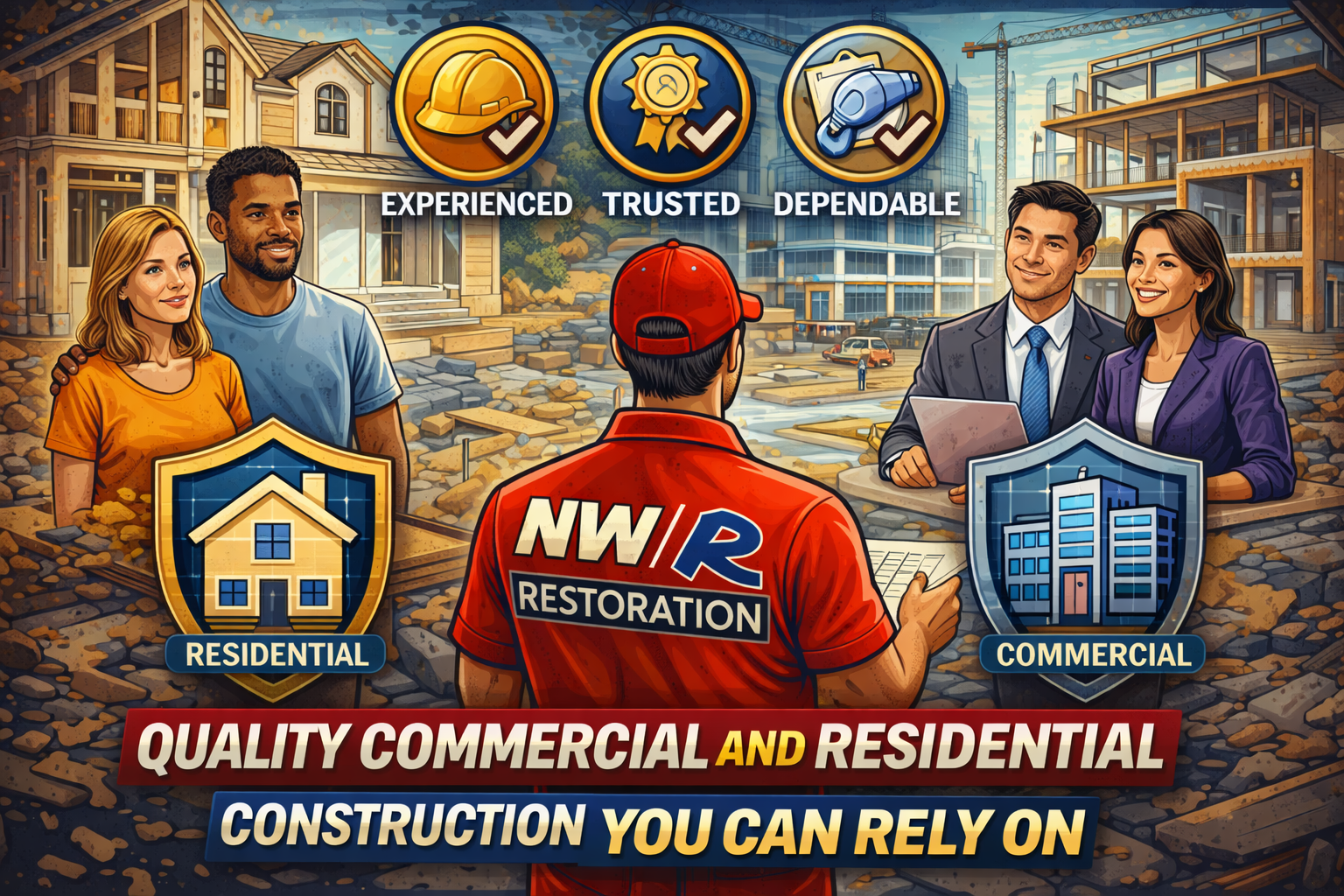
When it comes to creating functional, durable, and visually appealing spaces, choosing the right construction partner is one of the most important decisions you will make. A well-executed project not only meets your immediate needs but also adds long-term value, comfort, and efficiency to your property. Whether you’re planning a modern business facility, a welcoming retail store, or the home of your dreams, you need more than just a builder—you need a contractor who brings together craftsmanship, innovation, and years of proven experience.
The foundation of any successful project lies in both commercial and residential construction, where attention to detail and an unwavering commitment to quality set the standard. Commercial construction requires a deep understanding of functionality, safety codes, and the ability to create spaces that foster productivity and customer engagement. On the other hand, residential construction is about turning personal visions into lasting realities, ensuring every detail reflects the lifestyle and aspirations of the homeowner.
When it comes to creating functional, durable, and visually appealing spaces, choosing the right construction partner is critical. Whether you’re planning a business facility, a retail store, or your dream home, you need a contractor who combines craftsmanship with experience. The foundation of a great project lies in commercial and residential construction, where quality and precision ensure that the results stand the test of time.
Importance of Choosing the Right Construction Company
Every construction project, whether commercial or residential, involves significant investment—financially, emotionally, and in terms of time. The right contractor ensures:
- Adherence to timelines and budgets
- Use of high-quality materials
- Compliance with building codes and safety standards
- Customized solutions tailored to your vision
The difference between a project that feels rushed versus one that lasts for decades is the skill and experience of your chosen construction team. For property owners, this means more than a building; it’s peace of mind knowing your commercial and residential construction needs are in capable hands.
The Core Difference Between Commercial and Residential Construction
Although both types of projects share foundational principles, they vary in purpose, scale, and execution. Understanding these differences can help you make informed decisions.
| Aspect | Commercial Construction | Residential Construction |
| Purpose | Business operations (offices, retail, warehouses) | Living spaces (homes, apartments, condos) |
| Scale | Typically larger and more complex | Smaller, personalized projects |
| Materials | Steel, reinforced concrete, advanced HVAC systems | Wood, masonry, energy-efficient solutions |
| Regulations | Strict codes, zoning laws, ADA compliance | Local residential codes, neighborhood standards |
| Timeline | Longer due to size and permits | Shorter, depending on customization |
Key Services in Commercial and Residential Construction
A professional construction company offers a wide range of services designed to bring your vision to life—whether you’re developing a commercial property or building your dream home. Each service is tailored to ensure functionality, durability, and aesthetics while keeping projects on time and within budget.
Commercial Construction Services
Businesses rely on reliable contractors to create spaces that drive success. Common services include:
- Office buildings – Designed for productivity and collaboration
- Retail stores – Spaces that attract customers and enhance shopping experience
- Warehouses – Efficient layouts for logistics and storage
- Restaurants – Functional kitchens and inviting dining spaces
Residential Construction Services
For homeowners, the focus is on comfort, personalization, and long-term value. Typical projects include:
- Custom homes – Designed uniquely to match lifestyle needs
- Home additions – Expanding living areas, adding bedrooms or garages
- Renovations – Modernizing outdated spaces
- Outdoor living spaces – Decks, patios, and landscaping integration
Benefits of Working with a Professional Construction Company
Embarking on a construction project—whether it’s building a new home, remodeling a retail store, or developing a commercial facility—is a significant investment. While it may be tempting to cut costs by managing the project yourself or hiring inexperienced contractors, partnering with a professional construction company delivers long-term value and peace of mind. Here are the key benefits:
Expertise in Both Sectors
A contractor skilled in both commercial and residential projects ensures versatility, offering a wide range of services under one roof.
Cost Efficiency
Experienced companies maximize resources, minimize waste, and use value-engineering techniques to deliver cost-effective solutions.
Quality Assurance
From foundation to finish, established builders follow strict quality checks and industry standards.
Long-Term Value
Investing in expert construction enhances property value, reduces repair costs, and ensures durability for decades.
Emerging Trends in Commercial and Residential Construction
Keeping up with modern trends ensures your project stays relevant and adds long-term appeal.
Smart Technology Integration
- Commercial: Automated security, smart lighting, and energy management systems
- Residential: Smart thermostats, app-controlled appliances, and home security
Sustainable Construction Practices
- Use of recycled materials
- Solar energy and energy-efficient windows
- Green roofing and water conservation systems
Flexible and Multi-Use Designs
- Offices with open layouts and co-working zones
- Homes with adaptable rooms for remote work or guest use
How to Choose the Right Construction Partner
Finding a reliable construction company requires careful evaluation. Look for:
- Proven portfolio of both commercial and residential projects
- Positive reviews and testimonials from past clients
- Licensing and certifications for credibility
- Clear communication and transparency in contracts
If you’re seeking examples, explore the blog section at Northwest Restoration where you can see valuable insights into construction and restoration practices.
Steps to Prepare for a Construction Project
Preparing for a construction project, whether residential or commercial, requires more than just selecting a design and breaking ground. Careful planning ensures your project runs smoothly, stays on budget, and delivers the results you envisioned. Below are the essential steps to set your project up for success:
1. Define Your Goals
Every successful project begins with a clear vision. Take time to outline exactly what you want to achieve, whether it’s expanding your office to accommodate growth, opening a new retail location, or designing the dream home you’ve always imagined. The more specific you are about your needs, style preferences, and long-term objectives, the easier it will be for your contractor to bring your vision to life.
2. Establish a Budget
Your budget is the framework that shapes your entire project. Work closely with your contractor to set realistic financial expectations, considering not just construction costs but also materials, permits, furnishings, and potential contingencies. A well-planned budget helps prevent surprises and ensures that your project remains both feasible and sustainable.
3. Get Necessary Permits
Construction projects require compliance with local laws, zoning regulations, and building codes. Obtaining the right permits and approvals is essential to avoid costly delays or legal issues. A reliable contractor will guide you through this process, ensuring all paperwork is handled properly so the project can move forward without setbacks.
4. Communicate Regularly
Clear and consistent communication is the key to a stress-free construction experience. Establish a system for regular updates, progress reports, and site visits with your contractor. This helps you stay informed, address concerns quickly, and make timely decisions. Open communication builds trust and ensures that the final result aligns with your expectations.
Conclusion: Build with Confidence
Your property is one of the most significant investments you’ll ever make. Whether constructing a commercial facility or a residential home, partnering with an experienced and trustworthy company ensures lasting quality. From design to delivery, every step should reflect your goals and standards.
If you’re ready to take the next step, don’t wait. Contact us today to schedule your consultation and start building with confidence.
FAQ
What is the difference between commercial and residential construction?
Commercial construction focuses on business-related properties like offices, warehouses, and retail stores, while residential construction covers homes, apartments, and other living spaces.
Which is more expensive: commercial or residential construction?
Commercial projects typically cost more due to larger scale, complex designs, and strict regulatory requirements.
How long does a typical construction project take?
Timelines vary depending on project size. Residential homes may take several months, while large-scale commercial projects often extend over a year.
Can the same company handle both types of construction?
Yes, many experienced contractors specialize in both, offering versatile expertise across sectors.
What should I ask before hiring a contractor?
Request to see past projects, confirm licensing and insurance, discuss timelines, and ensure they provide a detailed written estimate.


