
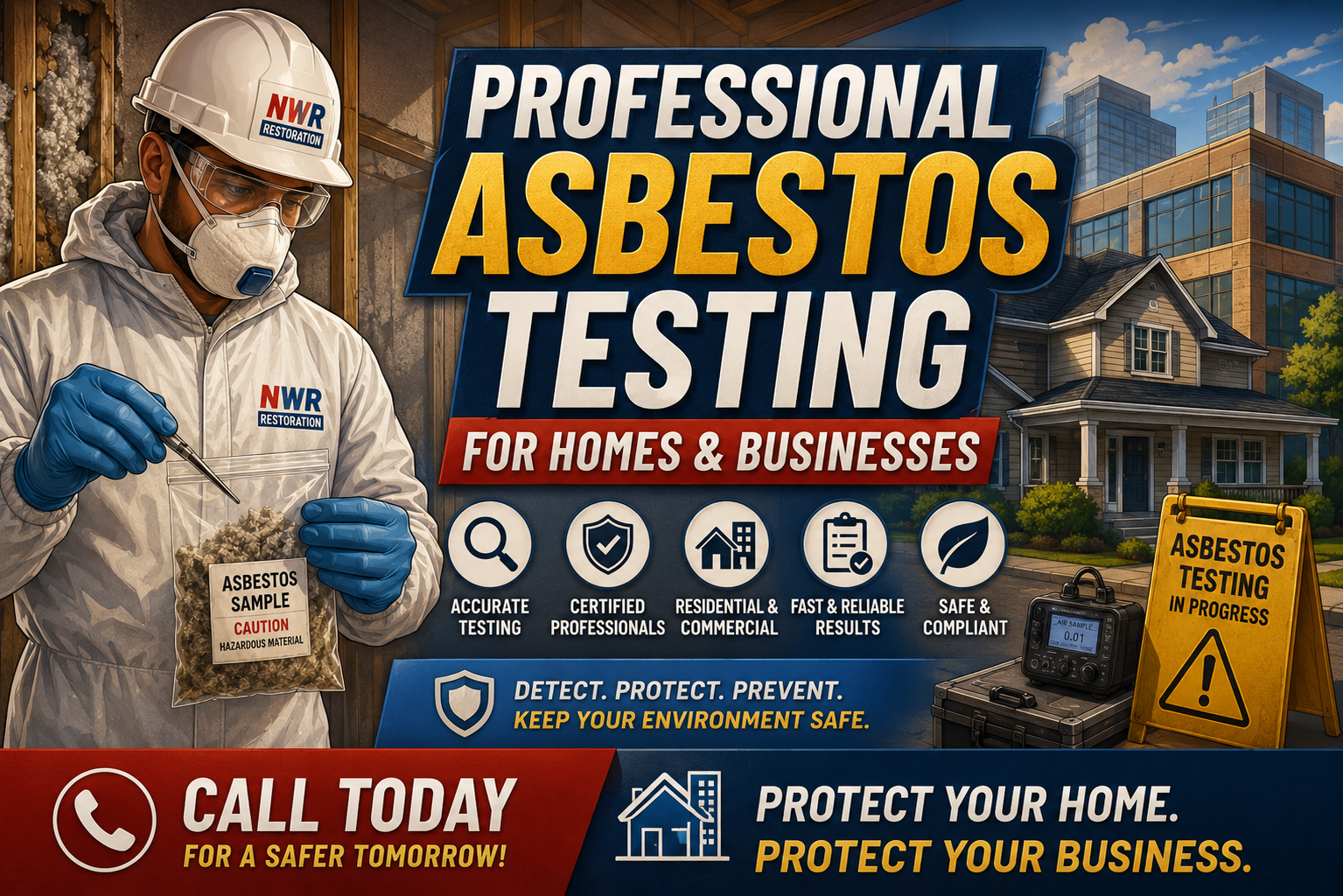
Protecting indoor environments is essential for maintaining the safety and health of building occupants. One hidden hazard that continues to affect older residential and commercial properties is asbestos. Although asbestos was once widely used in construction materials for its durability and heat resistance, it is now recognized as a serious health risk when disturbed.
Professional Asbestos Testing helps identify hazardous materials before renovation, demolition, remodeling, or restoration work begins. Whether you own a home, commercial building, rental property, or industrial facility, proper asbestos inspection and testing are critical for maintaining a safe environment and complying with safety regulations.
This guide explains what asbestos is, why testing matters, common exposure risks, how professional inspections work, and why hiring experienced testing specialists is essential for homes and businesses.
What Is Asbestos?
Asbestos is a naturally occurring mineral composed of microscopic fibers. Due to its strength, insulation properties, and resistance to heat and chemicals, asbestos was heavily used in building materials throughout much of the 20th century.
Common materials that may contain asbestos include:
- Insulation
- Ceiling tiles
- Vinyl flooring
- Roofing materials
- Cement products
- Pipe insulation
- Popcorn ceilings
- Joint compounds
- HVAC systems
Although asbestos-containing materials are generally considered safe when undisturbed, damaged or deteriorating materials can release dangerous fibers into the air.
Why Asbestos Is Dangerous
When asbestos fibers become airborne, they can be inhaled into the lungs. Prolonged exposure has been linked to severe health conditions, including:
- Asbestosis
- Lung cancer
- Mesothelioma
- Respiratory complications
One of the biggest concerns is that symptoms often develop years after exposure, making prevention and early detection critically important.
Disturbing asbestos during renovation, demolition, or cleanup projects significantly increases exposure risks.
Signs You May Need Asbestos Testing
Although asbestos fibers are microscopic and difficult to identify visually, certain situations increase the likelihood of contamination.
You should consider testing if:
- Your property was built before 1980
- You plan to remodel or renovate
- Materials appear damaged or deteriorated
- You recently experienced water or fire damage
- Ceiling or flooring materials are crumbling
- You purchased an older property
- Construction work may disturb hidden materials
Professional inspections provide accurate answers and reduce uncertainty before beginning construction or restoration projects.
Why Professional Asbestos Testing Matters
Property owners should never assume materials are asbestos-free simply because a building appears modern or well-maintained. Many older properties still contain hidden asbestos materials.
Professional testing helps:
- Identify hazardous materials
- Protect occupants and workers
- Prevent accidental exposure
- Ensure legal compliance
- Support safe renovations
- Reduce liability risks
Testing is especially important before:
- Remodeling projects
- Demolition work
- Property restoration
- Fire or flood recovery
- Structural repairs
A qualified asbestos testing company uses proper procedures to safely inspect and analyze suspected materials.
Importance of Hiring a Professional Asbestos Testing Company
Testing for asbestos should never be handled without proper training and equipment. Improper handling can release hazardous fibers into the environment.
A professional asbestos testing company offers:
- Certified inspectors
- Proper containment procedures
- Accurate laboratory analysis
- Safety compliance
- Reliable documentation
- Risk management expertise
Professionals understand federal, state, and local regulations regarding hazardous material handling and reporting.
Emergency Restoration and Asbestos Risks
Emergencies can increase the likelihood of asbestos exposure. Damaged ceilings, broken insulation, and structural collapse may release fibers into the air.
Experienced emergency restoration services providers often coordinate asbestos inspections before repairs begin.
An emergency restoration contractor may recommend testing if:
- Water damage affects insulation
- Fire damage compromises ceilings or walls
- Debris contains suspicious materials
- Structural damage exposes hidden building components
Safe restoration procedures reduce health risks during disaster recovery.
Asbestos Testing Before Renovation Projects
Renovation projects often disturb hidden building materials, making asbestos testing especially important before remodeling begins.
Testing should occur before:
- Removing walls
- Replacing flooring
- Demolishing ceilings
- Updating insulation
- Structural repairs
- HVAC upgrades
Early testing prevents accidental contamination and protects construction crews, occupants, and neighboring areas.
Asbestos and Property Restoration
Property damage from floods, storms, or fires may expose hidden asbestos-containing materials.
Professional testing is often necessary during:
- Fire and water restoration projects
- Storm recovery
- Structural damage repairs
- Smoke cleanup
- Water extraction services
Restoration contractors must identify hazardous materials before beginning demolition or reconstruction work.
What Happens If Asbestos Is Found?
Finding asbestos does not automatically mean immediate removal is required. The appropriate solution depends on the condition and location of the material.
Possible recommendations may include:
- Monitoring intact materials
- Encapsulation
- Repair procedures
- Containment systems
- Professional removal
Only licensed asbestos abatement professionals should handle removal projects.
Asbestos Testing and Construction Projects
Construction and remodeling companies frequently require asbestos inspections before beginning work on older properties.
Many companies offering residential & commercial construction services rely on testing to:
- Ensure worker safety
- Prevent project delays
- Maintain legal compliance
- Avoid contamination risks
Testing supports safer and more efficient construction planning.
Remodeling Projects and Asbestos Safety
Home improvement projects often expose hidden hazards inside walls, ceilings, and flooring systems.
Companies specializing in residential and commercial remodeling services frequently coordinate asbestos inspections before:
- Kitchen remodeling
- Bathroom renovations
- Basement finishing
- Interior demolition
- Structural remodeling
Identifying hazardous materials early protects both workers and property occupants.
Health and Safety Regulations
Strict regulations govern asbestos handling and exposure control. Property owners, contractors, and employers may be legally responsible for maintaining safe environments.
Professional inspectors understand:
- OSHA guidelines
- EPA regulations
- State safety requirements
- Proper documentation procedures
- Disposal standards
Compliance helps reduce liability and improve project safety.
Schedule your inspection today to protect your home or business with safe, accurate, and reliable testing services.
Protect Your Property With Professional Asbestos Testing
Asbestos remains a serious concern in many residential and commercial properties, particularly older buildings undergoing renovation or restoration work.
Professional Asbestos Testing helps property owners identify hidden hazards, protect occupants, and comply with safety regulations before construction or restoration begins.
Whether preparing for remodeling, recovering from disaster damage, or maintaining an older structure, working with experienced asbestos professionals ensures safer environments and more informed decisions.
Frequently Asked Questions
1. What is asbestos testing?
Asbestos testing involves inspecting and analyzing building materials to determine whether they contain hazardous asbestos fibers.
2. When should asbestos testing be performed?
Testing should be completed before renovations, demolition, restoration projects, or repairs involving older buildings.
3. Can asbestos be identified visually?
No, asbestos fibers are microscopic and require professional laboratory analysis for accurate identification.
4. Is asbestos dangerous if left undisturbed?
In many cases, intact asbestos materials are less hazardous. Risks increase when materials are damaged or disturbed.
5. Why should I hire a professional asbestos testing company?
Certified professionals use safe sampling methods, laboratory analysis, and proper safety protocols to minimize exposure risks and provide accurate results.


